The FBI as we knew it is gone
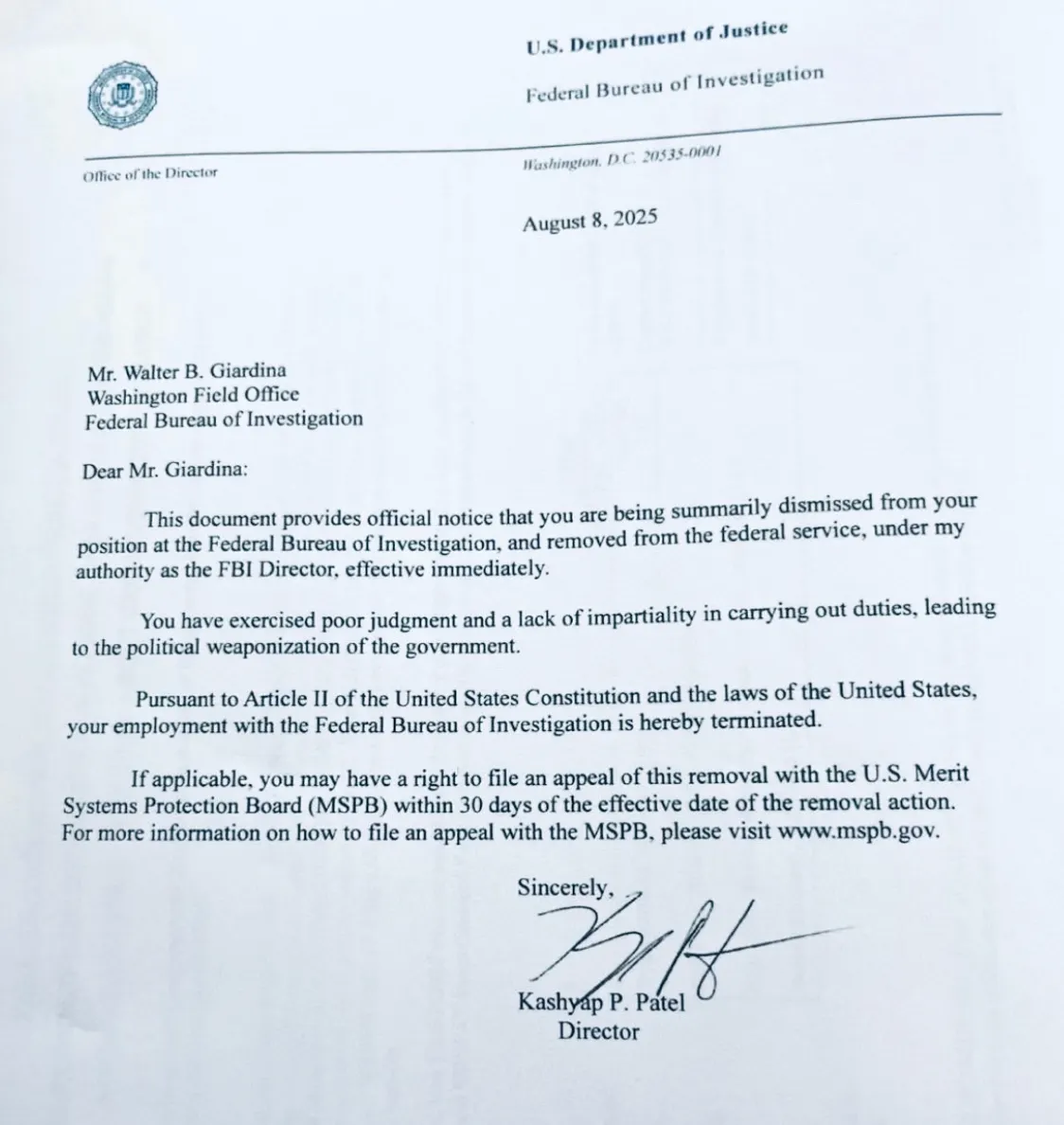
In February, I wrote a piece for Substack called “A Battle for the Soul of the FBI.” That battle is (pretty much) over, and I’m sad to say that the FBI — at least the one we knew — lost. Weirdly, I’m writing this on the same evening that William Webster, the FBI’s third director, died at the age of 101, a little more than a century after the FBI’s first and longest-serving director, J. Edgar Hoover, was appointed to lead the agency. It is sort of a fitting marker of an end of an era, given that as I write, FBI supervisors across the country are receiving letters from current FBI Director Kash Patel informing them that they are being “summarily dismissed” in what is widely seen as an agency-wide purge of agents deemed insufficiently loyal to President Trump.
The purge comes on the heels of a “strategy session” about how to deal with the Epstein fallout that took place at the White House last Thursday with Trump, Patel, Attorney General Pam Bondi, and Vice President JD Vance. Here is a sample letter sent to one agent, a Marine combat veteran whose wife died of cancer last month (Giardina worked on the Russia investigation in 2016 and was involved in the arrest of former Trump adviser Peter Navarro for refusing to testify to Congress):
In my last piece on the FBI, I noted that there were three defining features of the modern Bureau: professionalism, independence, and adherence to the rule of law. That last aspect was the one that took some time to establish and what we talk about the most: Hoover wasn’t exactly constrained by rules — there really weren’t any — and so most of the focus of the FBI since his death has been on creating guardrails, from congressional oversight to the Attorney General Guidelines governing investigations to legislation like the Foreign Intelligence Surveillance Act (FISA) to make sure that the FBI can’t go rogue again. Indeed, this was Director Webster’s main focus when he became director; the New York Times obituary quotes him observing that he wanted more guardrails, because he “did not want to turn the bureau into a Gestapo organization.”Here’s the thing: Webster, and any other director after Hoover, could have totally turned the Bureau into exactly that. They didn’t. And that’s largely because even while they jettisoned some of the practices that led to the worst abuses under Hoover and instituted rules to cabin them, these directors had the good judgment not to throw out the baby with the bathwater and kept the professionalism and independence that Hoover had also cultivated during his 48-year tenure. Over time, we came to take that for granted. We shouldn’t have. [Continue reading…]